Are Termite Swarms a Sign of an Infestation? What San Juan Capistrano Homeowners Need to Know
Are Termite Swarms a Sign of an Infestation? What San Juan Capistrano Homeowners Need to Know
Are Termite Swarms a Sign of an Infestation? What San Juan Capistrano Homeowners Need to Know
You're relaxing at home when suddenly you notice dozens—or hundreds—of winged insects emerging from your baseboards, swarming near windows, or clustered around outdoor lights. Your heart sinks as you realize these might be termites. But does seeing a termite swarm automatically mean your San Juan Capistrano home has a serious infestation? The answer is more nuanced than most homeowners realize, and understanding what termite swarms actually signal can save you thousands of dollars in unnecessary panic or costly delays.
What Exactly Is a Termite Swarm?
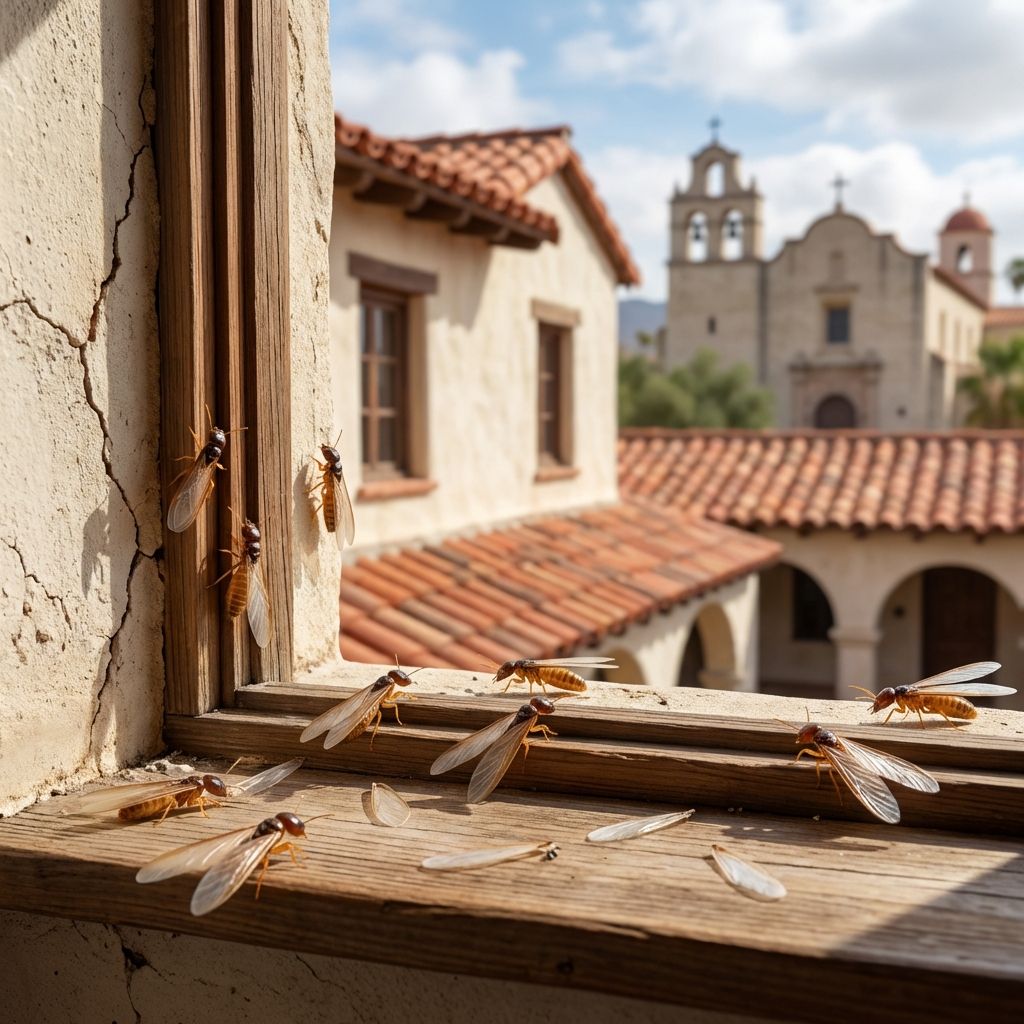
A termite swarm consists of reproductive termites (called alates or swarmers) that leave their established colony to mate and start new colonies. Think of it as termites' version of leaving home to start their own families.
Here's what happens during a swarm:
Mature termite colonies produce winged reproductive termites when conditions are right—typically warm temperatures and high humidity. In San Juan Capistrano, this usually occurs in late winter through spring (February-May), often triggered by the first warm days after winter rains.
These winged termites emerge from the colony en masse, fly short distances looking for mates, pair off, shed their wings, and attempt to establish new colonies in suitable wood sources. The entire emergence event typically lasts 30-40 minutes, after which you're left with discarded wings and the unsettling question: where did these termites come from?
The Critical Question: Indoor vs. Outdoor Swarms
Whether you have an active termite infestation depends entirely on where the swarm originated.
Outdoor Swarms (Common and Usually Not Your Problem)
If you notice termite swarmers flying around your outdoor lights, patio, or yard—but not emerging from inside your home—this typically indicates a nearby colony in your landscaping, a neighbor's property, or outdoor wood sources like tree stumps, mulch, or buried wood debris.
What this means for your home:
You likely don't have an active infestation yet , but your property is now at increased risk. Termite swarmers are actively looking for new places to colonize, and your home's foundation, wooden structures, and landscaping contact points become targets.
Your action plan: Schedule a professional termite inspection within 1-2 weeks. Even though the swarm originated outside, it's the perfect time to verify your home isn't harboring hidden colonies and to implement preventive treatments before newly mated pairs find entry points.
Indoor Swarms (Immediate Red Flag)
If termite swarmers emerge from inside your home—from baseboards, wall outlets, window frames, or any interior surface—this definitively confirms an active infestation inside your structure.
What this means:
A termite colony has been living in your home's wood for 3-5 years minimum (that's how long it takes colonies to mature and produce swarmers). The colony has grown large enough and mature enough to reproduce, indicating substantial, ongoing termite damage.
Your action plan: This is a pest control emergency requiring same-day professional response. Every day of delay means more wood consumption and structural damage.
How to Tell If Swarmers Are Termites or Flying Ants
Not every winged insect swarm is termites—flying ant swarms are also common in San Juan Capistrano and often mistaken for termites. Here's how to differentiate:
Termite Swarmers:
- Straight, bead-like antennae
- Equal-length wings that extend well beyond the body
- Thick, straight waist (no "pinch")
- Wings appear translucent or milky white
- Tend to be weak fliers that flutter rather than fly strongly
Flying Ants:
- Elbowed antennae
- Unequal wing lengths (front wings longer than back)
- Narrow, pinched waist between thorax and abdomen
- Wings more proportional to body size
- Stronger, more controlled flight patterns
The easiest identifier: Look at discarded wings. Termite wings are all the same size and shape, while ant wings are clearly different sizes.
If you're uncertain, collect several specimens (dead ones work fine) in a sealed plastic bag and have a professional identify them. Many pest control companies, including San Juan Capistrano Pest Control, offer free identification as part of their inspection services.
Why Termite Swarms Happen in San Juan Capistrano
Orange County's Mediterranean climate creates ideal conditions for subterranean termite activity year-round, but swarms concentrate in specific seasons.
Peak Swarming Season: February through May
San Juan Capistrano's winter rains saturate soil with moisture, creating perfect conditions for termite activity. When warm spring temperatures arrive, mature colonies receive nature's signal to produce swarmers and expand.
The combination of warm days (above 70°F) and high soil moisture following rainfall triggers synchronized swarming. This is why you'll often notice termite swarms within 1-2 weeks after winter storms—especially on warm, sunny afternoons.
Secondary Swarming: Late Summer/Early Fall
Some termite species produce smaller secondary swarms in late summer or early fall, particularly after irrigation or unusual late-season rainfall. While less dramatic than spring swarms, these still indicate active colonies.
Evening and Morning Swarms
Termites are attracted to light, which is why swarms often cluster around windows, glass doors, and exterior lighting. If you notice swarmers in the evening around outdoor lights or in the morning near windows, track where they're actually emerging from—not just where they're gathering.
The Hidden Danger: What You Don't See
Here's what concerns professional termite inspectors: for every termite swarmer you see, thousands of worker termites remain hidden in your home's structure, actively consuming wood.
The disturbing math:
A mature subterranean termite colony contains 60,000 to 1 million worker termites. These workers never leave the colony—they stay hidden in wood and mud tubes, eating 24/7. The few hundred or few thousand swarmers you witnessed represent less than 1% of the actual colony population.
When homeowners see swarmers and think "that wasn't too many, probably not a big deal," they're seeing only the colony's reproductive attempt while missing the massive population causing actual damage.
Annual wood consumption:
An established termite colony can consume approximately 12 linear feet of 2x4 wood per year. Over the 3-5 years it takes a colony to mature enough to produce swarmers, that's potentially 36-60 linear feet of structural lumber damage before you ever see your first winged termite.
Common Mistakes San Juan Capistrano Homeowners Make
Mistake #1: Assuming the Swarm Was a One-Time Event
Many homeowners see a termite swarm, panic briefly, then convince themselves it was an isolated incident that won't happen again. Unfortunately, the swarm is just the visible symptom of a hidden problem that's getting worse every day.
Mature colonies produce swarms annually. If you saw swarmers this spring, you'll likely see them again next spring—from an even larger colony that's consumed even more wood.
Mistake #2: Cleaning Up Evidence and Forgetting About It
Vacuuming up discarded wings and dead swarmers removes the evidence but doesn't address the colony. Without that visual reminder, weeks and months pass before homeowners take action, during which termites continue damaging the structure.
Action step: Take photos and collect specimens before cleaning. Even if you can't get professional service immediately, documentation helps technicians understand the extent and location of swarming.
Mistake #3: Attempting DIY Termite Control
Store-bought termite treatments cannot eliminate established colonies. Those foam sprays, bait stations, and liquid treatments available at hardware stores are designed for prevention and minor isolated termite activity—not for mature colonies producing swarmers.
Why DIY fails:
Termite colonies extend 100+ feet from the main nest, with multiple satellite colonies and interconnected tunneling systems. Surface treatments kill only the termites directly contacted while the colony continues thriving elsewhere in your property.
Professional termite control uses specialized equipment (soil treatment rods, high-volume pumps), commercial-grade termiticides, and comprehensive property treatments that create continuous chemical barriers termites cannot cross.
Mistake #4: Waiting Until Visible Damage Appears
By the time you see visible termite damage (sagging floors, hollow-sounding wood, bubbling paint, visible galleries), extensive structural damage has already occurred. Termites eat wood from the inside out, so exterior surfaces look fine long after internal structures are compromised.
The financial impact: Early intervention (treating colonies when swarmers first appear) typically costs $1,500-3,000 for professional termite treatment. Delayed intervention requiring structural repairs can cost $10,000-30,000 or more, depending on damage extent.
What Professional Termite Inspections Reveal
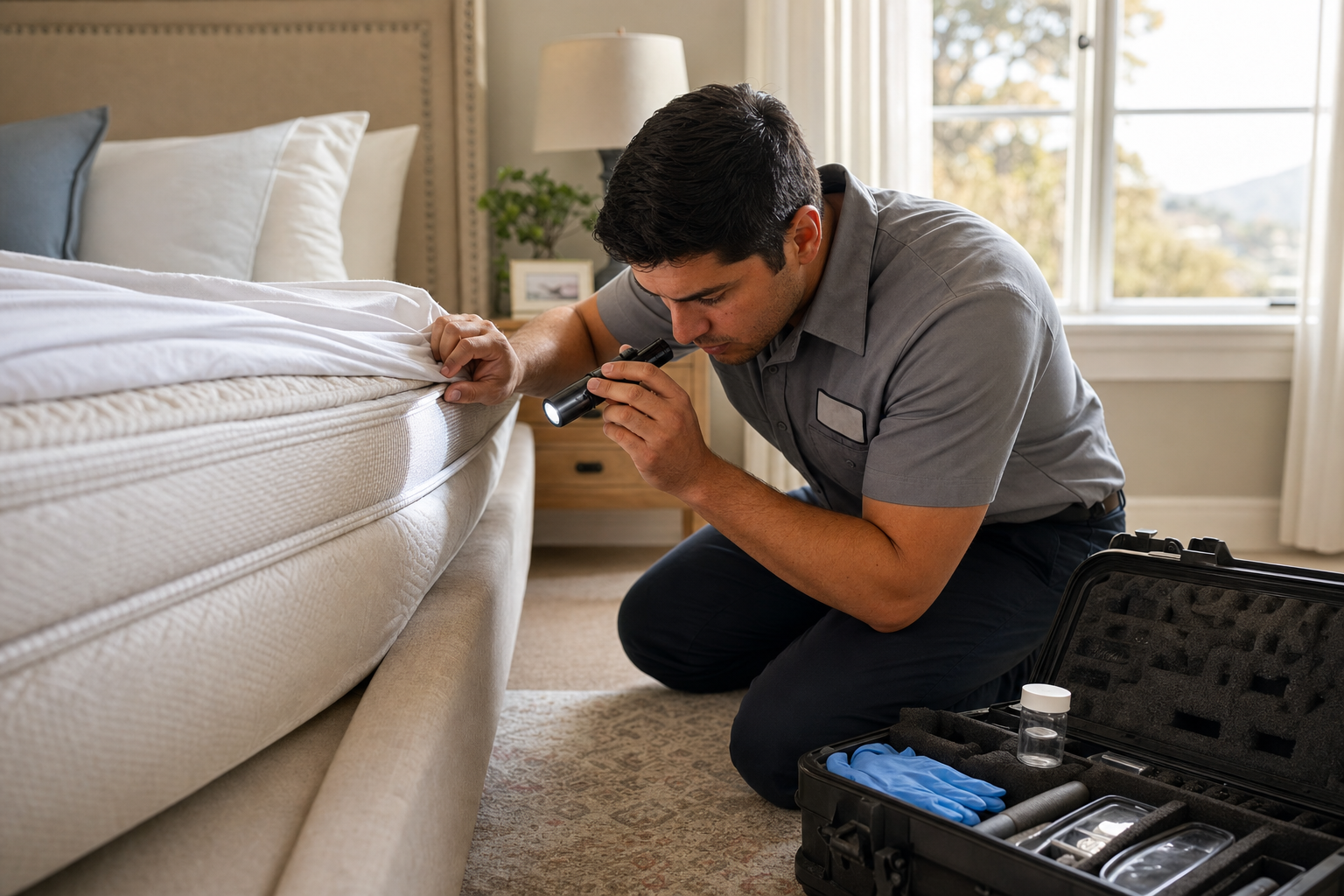
When you call for a professional termite inspection following a swarm, here's what trained technicians look for:
Mud Tubes and Shelter Tubes
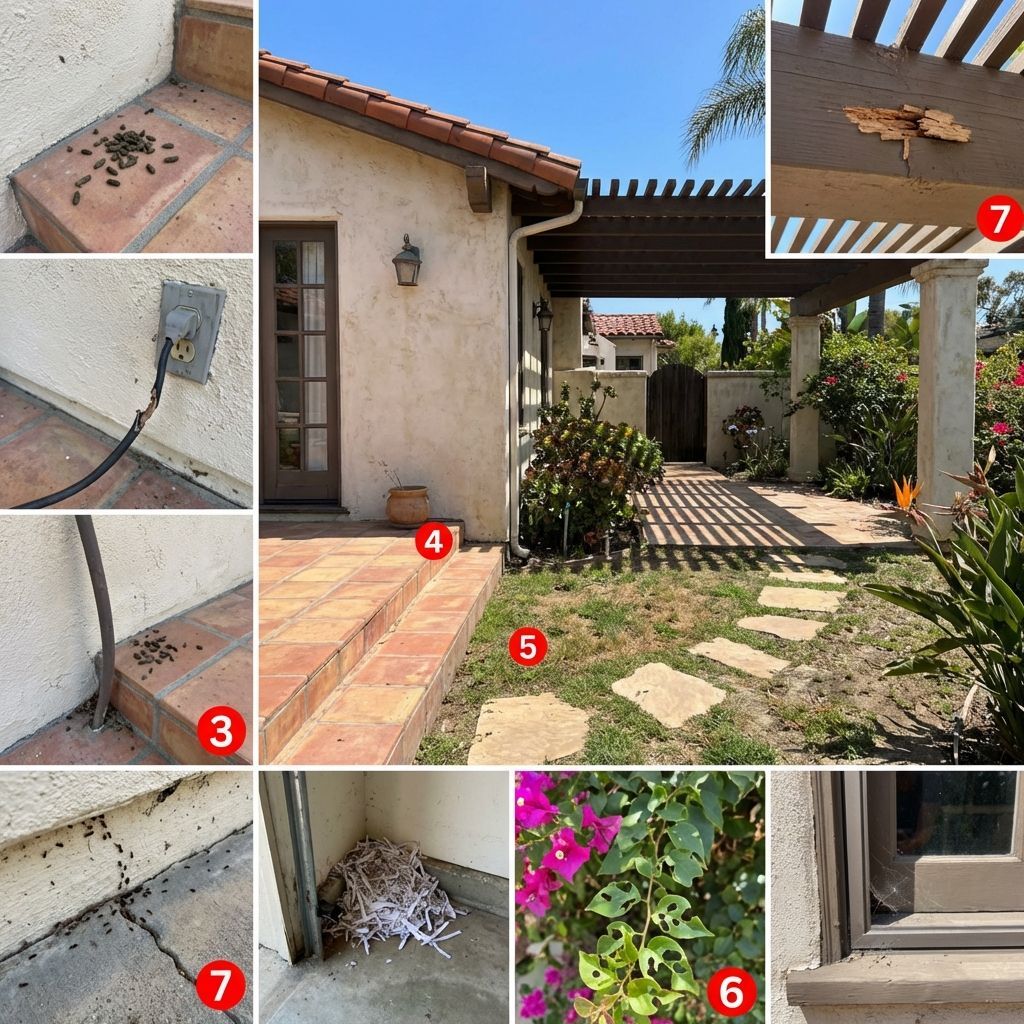
Subterranean termites build pencil-thin mud tubes from soil to wood sources, protecting themselves from air exposure. These tubes appear on foundations, in crawl spaces, along basement walls, and sometimes on interior surfaces near infestations.
Inspectors examine your entire foundation perimeter, crawl space, attic, and garage looking for these telltale signs of termite highways connecting colonies to food sources.
Wood Damage and Galleries
Using specialized tools including moisture meters, acoustic detectors, and thermal imaging cameras, inspectors identify areas of active termite damage even when exterior wood surfaces appear intact.
Probing suspect areas reveals hollowed-out wood, characteristic termite galleries, and live termite activity hidden beneath surface layers.
Conducive Conditions
Professional inspections identify factors making your property vulnerable to termite colonization:
- Wood-to-ground contact (deck posts, fence posts, siding touching soil)
- Moisture problems (leaking pipes, poor drainage, excessive irrigation)
- Wood debris in crawl spaces or buried in landscaping
- Cracks in foundation or slab that provide termite entry
- Excessive mulch against foundation
- Form boards left in place after construction
Addressing these conducive conditions prevents future infestations even after active colonies are eliminated.
Comprehensive Documentation
Licensed termite inspectors provide detailed written reports including diagrams showing areas of active infestation, conducive conditions, treatment recommendations, and estimated repair costs if structural damage is present.
This documentation is crucial for treatment planning and is required for real estate transactions in California.
Treatment Options After Confirming Infestation
Once an inspection confirms active termite infestation, several treatment approaches are available depending on infestation severity and property characteristics.
Liquid Soil Treatments (Most Common and Effective)
Professional-grade liquid termiticides create continuous chemical barriers in soil around and beneath your home's foundation. Termites cannot detect these barriers and die when they contact treated soil while foraging.
How it works:
Licensed applicators drill through concrete slabs or trench around foundations, injecting termiticide into soil at specific depths and concentrations mandated by label requirements. This creates a protective zone that eliminates existing colonies and prevents new ones from establishing.
Treatment longevity: Professional soil treatments provide 5-10 years of protection depending on product used and soil conditions.
Termite Bait Systems
Bait stations installed around your property perimeter contain cellulose material treated with slow-acting termiticide. Worker termites feed on bait and share it throughout the colony, eventually eliminating the entire population including the queen.
Advantages: Non-invasive (no drilling), environmentally targeted (affects only termites), and provides ongoing monitoring of termite activity.
Considerations: Slower elimination timeline (3-6 months) compared to liquid treatments, requires regular monitoring and maintenance.
Wood Treatment (Localized Infestations)
When termites are isolated in specific accessible wood members (fence posts, deck lumber, door frames), direct wood treatment with borates or other preservatives eliminates the localized infestation.
This approach typically supplements primary soil treatments rather than serving as standalone treatment.
Fumigation (Drywood Termites)
While this article focuses on subterranean termites (the most common type in San Juan Capistrano), if your swarm was drywood termites, fumigation (tenting) may be necessary. Drywood termite swarmers typically appear in late summer through fall rather than spring, and emerge from wood itself rather than soil.
Prevention Strategies for San Juan Capistrano Properties
After addressing active infestations, prevention ensures termites don't return.
Moisture Control (The #1 Prevention Factor)
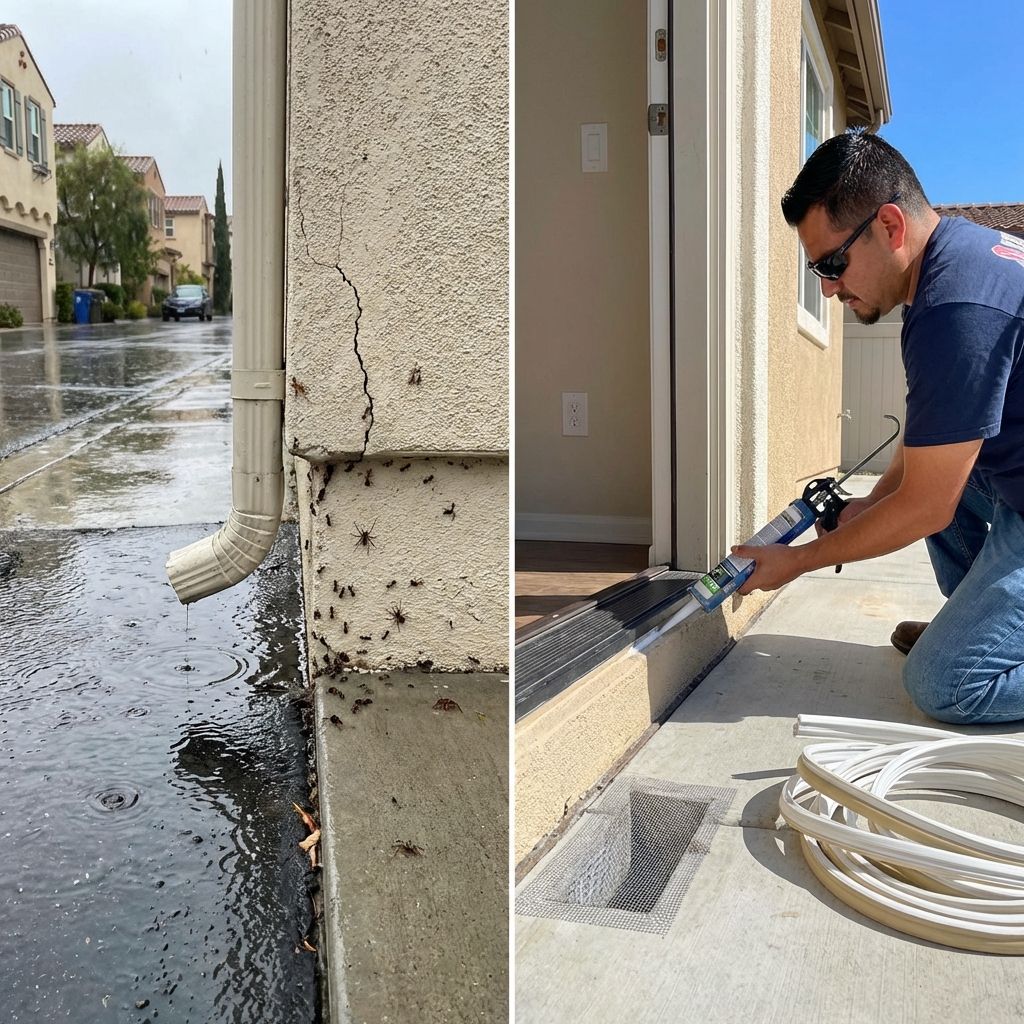
Subterranean termites require moisture to survive. Properties with drainage problems, irrigation issues, or plumbing leaks become termite magnets.
Prevention steps:
- Repair leaking pipes and faucets promptly
- Improve drainage away from foundation (soil should slope away from house)
- Fix gutter and downspout problems
- Reduce sprinkler water near foundation
- Ventilate crawl spaces adequately
- Install vapor barriers in crawl spaces
Eliminate Wood-to-Ground Contact
Any wood touching soil provides termites direct access from their underground colonies into your structure.
Common violations to address:
- Deck posts embedded directly in soil
- Siding, stucco, or trim touching ground
- Fence posts against foundation
- Firewood stored against exterior walls
- Landscape timbers against foundation
Maintain 6-inch clearance: All wood should be at least 6 inches above soil grade, and foundation should be visible all around your home's perimeter.
Regular Inspections
Annual professional termite inspections detect problems early, before swarms occur and before significant damage accumulates. Many pest control companies offer annual inspection plans at reduced rates for existing customers.
Wood Treatment and Barriers
New construction and major renovations should include pre-treated lumber (pressure-treated or borate-treated) for ground-contact applications. Physical barriers including stainless steel mesh and sand barriers also prevent termite intrusion in new construction.
The Real Estate Connection: Termite Swarms and Home Sales
Termite swarms create serious complications for real estate transactions in California.
Disclosure Requirements
California law requires sellers to disclose known pest infestations to buyers. If you've witnessed termite swarms but haven't had professional inspection and treatment, you're legally obligated to inform potential buyers.
Failure to disclose known termite activity can result in lawsuits after sale closure, potentially costing far more than proactive treatment would have.
Termite Clearances
Most California real estate transactions require termite inspection reports (often called Section 1 reports) before sale closure. Lenders typically require clearances showing no active infestations.
If swarmers have emerged from your home, professional treatment and follow-up inspection confirming elimination are necessary before you can obtain clearance certificates.
Negotiation Impact
Discovering termite swarms or active infestations during transaction inspections gives buyers significant negotiation leverage. Sellers typically pay for treatment and repairs, which always costs more in rushed transaction timelines than proactive treatment would have.
The smart approach: If you're planning to sell within the next few years and have witnessed termite swarms, address the problem now while you control timing and contractor selection rather than waiting until it becomes a transaction obstacle.
Why San Juan Capistrano Properties Face Higher Termite Risk
Our local conditions create perfect termite habitat, making proactive protection especially important.
Year-Round Termite Activity
Unlike regions with cold winters that suppress termite activity, San Juan Capistrano's mild winters allow termites to remain active 12 months annually. This means continuous wood consumption without seasonal breaks.
Soil Characteristics
Orange County's soil composition and moisture patterns support large subterranean termite populations. Combined with urban irrigation that maintains soil moisture even through dry summers, termites thrive.
Mature Landscaping
San Juan Capistrano's established neighborhoods feature mature trees, extensive landscaping, and wooden landscape features (decks, fences, arbors) that provide abundant termite food sources and harborage.
Older Housing Stock
Historic downtown San Juan Capistrano and surrounding areas contain many pre-1980 homes built before modern termite prevention standards. These properties lack treated lumber, have wood-to-ground contact issues, and often contain hidden conducive conditions.
Proximity to Open Space
Neighborhoods bordering hills, canyons, and open space face increased termite pressure from native populations colonizing undeveloped areas and expanding into adjacent residential properties.
Take Action: What to Do Right Now
If you've witnessed a termite swarm in or around your San Juan Capistrano home, here's your immediate action plan:
Within 24 Hours:
- Document the swarm with photos
- Collect specimens (dead ones in a sealed bag)
- Note exact location where swarmers emerged
- Check for discarded wings around baseboards, window sills, and door frames
- Look for mud tubes on foundation
Within 1 Week:
- Schedule professional termite inspection
- Request comprehensive property evaluation, not just spot checks
- Ask about treatment options and pricing
- Get written documentation of findings
Don't Wait:
- Every day of delay means more wood damage
- Colonies grow larger and more expensive to treat
- Structural damage worsens, increasing repair costs
- Additional swarmers may establish new satellite colonies on your property
Professional Termite Control in San Juan Capistrano
San Juan Capistrano Pest Control provides comprehensive termite services including emergency response to swarm events, thorough inspections, proven treatment methods, and preventive maintenance.
What We Offer:
Same-Day Emergency Response: When you discover swarmers emerging from inside your home, we understand the urgency. Same-day inspection and treatment consultation available.
Certified Termite Inspections: Our licensed inspectors provide detailed written reports documenting all findings, conducive conditions, and treatment recommendations meeting California regulations.
Multiple Treatment Options: We explain all appropriate treatment approaches for your specific situation, including costs, timelines, and long-term effectiveness, allowing you to make informed decisions.
Treatment Guarantees: Our termite treatments include warranties and follow-up inspections ensuring elimination is complete and lasting.
Prevention Programs: Annual inspection and maintenance programs keep your property protected year-round.
Real Estate Services: Fast-tracked inspections and treatments for real estate transactions, with official clearance documentation provided promptly.
Don't Ignore the Warning Signs
Termite swarms are nature's way of alerting you to hidden colony activity. Whether swarmers emerged from inside your home (definite infestation) or from outdoor sources (your property is at risk), professional evaluation is essential.
The cost of inspection and early treatment is minimal compared to the structural damage and repair expenses that accumulate when termites are ignored. In San Juan Capistrano's termite-friendly climate, it's not a matter of if your property will face termite pressure, but when—and whether you'll catch it early or discover it after expensive damage occurs.
Protect your largest investment. Call (714) 683-2665 today for comprehensive termite inspection and treatment.
Free termite inspections available. Same-day emergency response for active swarms. Licensed, insured, and experienced in Orange County termite control.
Serving all San Juan Capistrano neighborhoods: Forster Ranch, Talega, Rancho Mission Viejo, historic downtown, and throughout Orange County.
Your home deserves professional termite protection. Don't wait for next year's swarm or for visible damage to appear. Contact San Juan Capistrano Pest Control now and eliminate termite threats before they eliminate your home's structural integrity.